Measurements, not guesswork. What a WeFleet brake inspection covers on-site, and how we decide between resurfacing and replacing.
Brakes wear differently depending on load, routes and stop-and-go driving. That's why a WeFleet brake service starts with measurements before any parts are replaced.
Pads
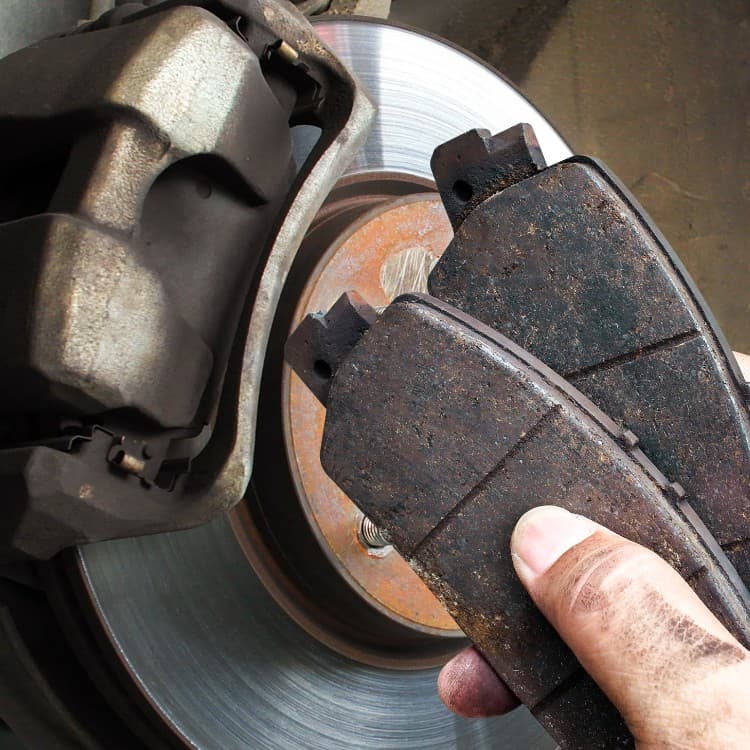
- Pad material measured in millimeters, with checks for glazing and uneven wear
- Caliper function and slide pins checked
- Hoses inspected and brake fluid tested for moisture
- Wheel bearings, ABS sensors and parking brake function reviewed
Rotors
Rotors are checked for thickness, runout, surface condition and heat spotting using precision micrometers and dial indicators. That identifies pulsation, vibration and premature wear before they compromise braking.
Resurface or replace?
Our technicians decide based on minimum thickness, parallelism and manufacturer specifications. When replacement is needed, rotors are replaced in axle pairs, hubs are cleaned and prepared, and fasteners are torqued to spec.
Finished properly
New pads are bedded in for consistent friction and quiet operation, followed by a road test. You get a digital report with pre- and post-service measurements, parts, torque records and photos.